
Welcome to the Regulation & Resource hub

Here you'll find everything you need to stay informed and compliant on the water—from state and federal fishing seasons and regulations to gear requirements. We've also included step-by-step instructions on how to use SeaQualizer products, plus expert tips and tricks to help you get the most out of every fishing trip.

For the most up-to-date information, visit FWC's website.

Red Snapper

NOAA Fisheries Announces Gear Modifications for the Snapper-Grouper Fishery

NOAA Fisheries announces the final rule for Regulatory Amendment 29 to the Fishery Management Plan for the Snapper-Grouper Fishery of the South Atlantic Region (Regulatory Amendment 29). This final rule modifies gear requirements for the fishery and encourages best fishing practices.

WHEN RULE WILL TAKE EFFECT:

Regulations will be effective July 15, 2020.

SUMMARY OF CHANGES FOR SNAPPER-GROUPER:

The final rule:

  • Requires descending devices be on board and readily available for use on commercial, for-hire, and private recreational vessels while fishing for or possessing snapper-grouper species;
  • Requires the use of non-offset, non-stainless steel circle hooks when fishing for snapper-grouper species with hook-and-line gear and natural baits north of 28º north latitude;
  • Requires all hooks be non-stainless steel when fishing for snapper-grouper species with hook-and-line gear and natural baits south of 28º north latitude; and
  • Allows the use of powerheads in federal waters off South Carolina.

What "readily available" means: the descending device must be attached to at least 16 ounces of weight and at least 60 feet of line. A dehooking tool is also required on board.

Red snapper note: Recreational red snapper fishing in South Atlantic federal waters is closed outside short, announced seasons, and NOAA is actively revising red snapper management (Amendment 59). Check the SAFMC red snapper page for the current season status before you go.

Red Grouper

Gulf of Mexico Descending Device Mandate

The law: The DESCEND Act (Direct Enhancement of Snapper Conservation and the Economy through Novel Devices Act) was signed into law in January 2021 and took effect in Gulf federal waters on January 13, 2022. It required commercial and recreational fishermen targeting reef fish to have a venting tool or descending device rigged and ready for use. Under NOAA's device definitions, a descending device must be attached to at least 16 ounces of weight and at least 60 feet of line.

Where things stand now (updated August 2026): The DESCEND Act carried a built-in five-year sunset, and its federal requirement expired on January 13, 2026. The Gulf of Mexico Fishery Management Council voted at its November 2025 meeting to make the requirement permanent, and NOAA Fisheries rulemaking to reinstate it is underway — expect the mandate to return to the books.

In the meantime, state-water rules still apply — Florida requires a descending device or venting tool rigged and ready in all state waters (see below) — and carrying and using a descending device remains the recommended best practice on every Gulf reef fish trip.

Florida State Waters — FWC Descending Device Rule

Florida Fish and Wildlife Conservation Commission (FWC) has approved a rule requiring anglers in Florida state waters to carry a descending device or venting tool rigged and ready for use.

Florida's rule goes a step further than the federal mandate: if a fish is showing signs of barotrauma prior to release, use of the descending device or venting tool is required — not just having it on board.

For the most current FWC regulations, visit FWC's Saltwater Fishing page.

West Coast — California, Oregon & Washington Descending Device Rules

Descending devices are now required equipment up and down the Pacific coast:

  • California: a descending device must be carried aboard and available for immediate use on any vessel taking or possessing groundfish (rockfish, lingcod, and more). See CDFW's barotrauma and descending device page.
  • Oregon: any vessel fishing for or possessing bottomfish or Pacific halibut in the ocean must have a functional descending device on board — and must use it to release any rockfish caught seaward of the 30-fathom (180-foot) line. See ODFW's sport bottomfish page.
  • Washington: an operable descending device, rigged for immediate use, is required on board all recreational vessels targeting bottomfish or halibut in every marine area. See WDFW's rockfish conservation page.

West Coast depth limits and species closures change from year to year — always check your state's current regulations before heading out. Releasing rockfish at 180 feet or more? The Deep Water SeaQualizer (100, 200, or 300 ft settings) is built for exactly that.

Trigger Depths

  • Shallow Water SeaQualizer

    30, 50, or 70 feet

  • Standard SeaQualizer

    50, 100, or 150 feet

  • Deep Water SeaQualizer

    100, 200, or 300 feet

Setting the Trigger Depth

To set the trigger depth, simply turn the plug so that the split ring aligns with the screw head, push the plug into the body of the device, and turn the plug back to its original position. You should feel the plug fall into it's locked position.

The illustrations below show the plug in the locked position of each depth setting.

Device is currently in the SHALLOWEST depth setting. Scroll down or click the RIGHT arrow to move to the MIDDLE depth setting.
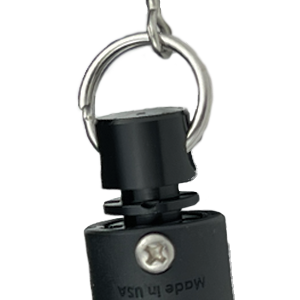
SeaQualizer Descending Device

Shallowest Depth Setting

The plug is all the way out in the Shallow Depth Setting

30' - Shallow Water SeaQualizer
50' - Standard SeaQualizer
100' - Deep Water SeaQualizer
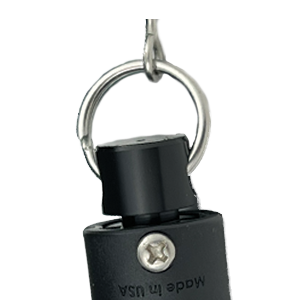
SeaQualizer Descending Device

Middle Depth Setting

Plug pushed in halfway for Middle Depth Setting

50' - Shallow Water SeaQualizer

100' - Standard SeaQualizer

200' - Deep Water SeaQualizer
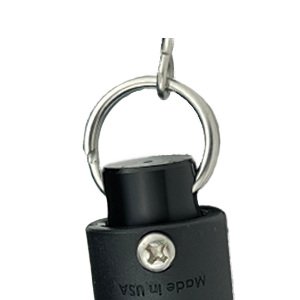
SeaQualizer Descending Device

Deepest Depth Setting

Plug pushed all the way in for the Deepest Depth Setting

70' - Shallow Water SeaQualizer

150' - Standard SeaQualizer

300' - Deep Water SeaQualizer